Blink Camera Batteries: Everything You Need to Know for Optimal Performance Blink security cameras offer reliable home surveillance with the added convenience of being wireless. These cameras are powered by batteries, making them easy to install without worrying about electrical wiring. However, to keep your Blink cameras functioning smoothly, it’s essential to understand the type … Read more
Blink cameras require high-grade lithium AA batteries in order to function correctly. Although Alkaline batteries may work, their use should be discouraged as these can limit functionality and become degraded over time. Blink’s Live-View feature gives you access to your camera’s surroundings in real- time; however, this can significantly deplete its batteries. Check the battery … Read more
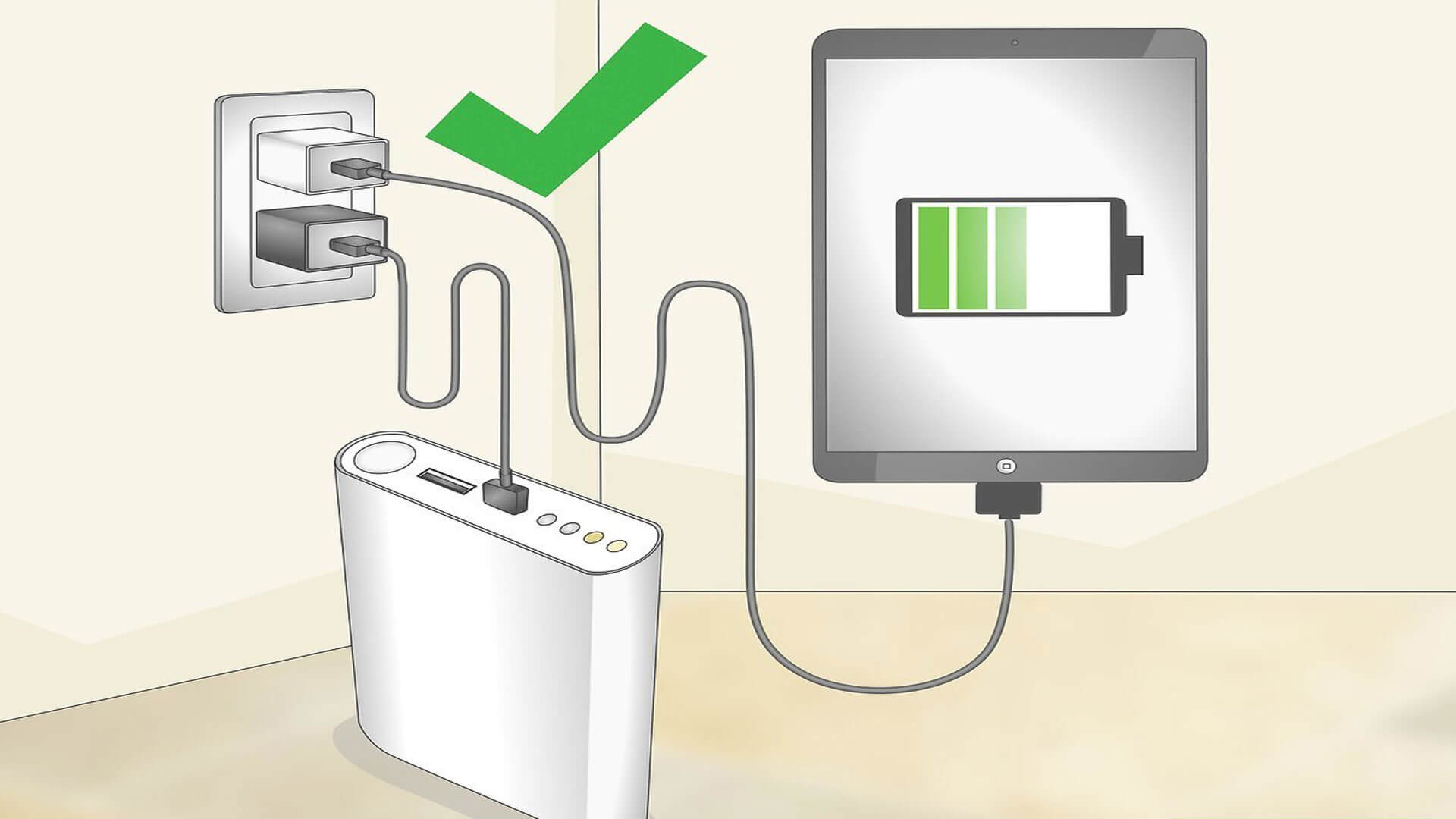
If your power bank LED indicator is blinking, this could indicate either battery issues or that it has become overheated. The Efest PRO C2 charger is an easy, cost-efficient solution that can charge two different batteries at the same time. Featuring an LCD screen that displays each battery’s voltage information, this charger will ensure a … Read more
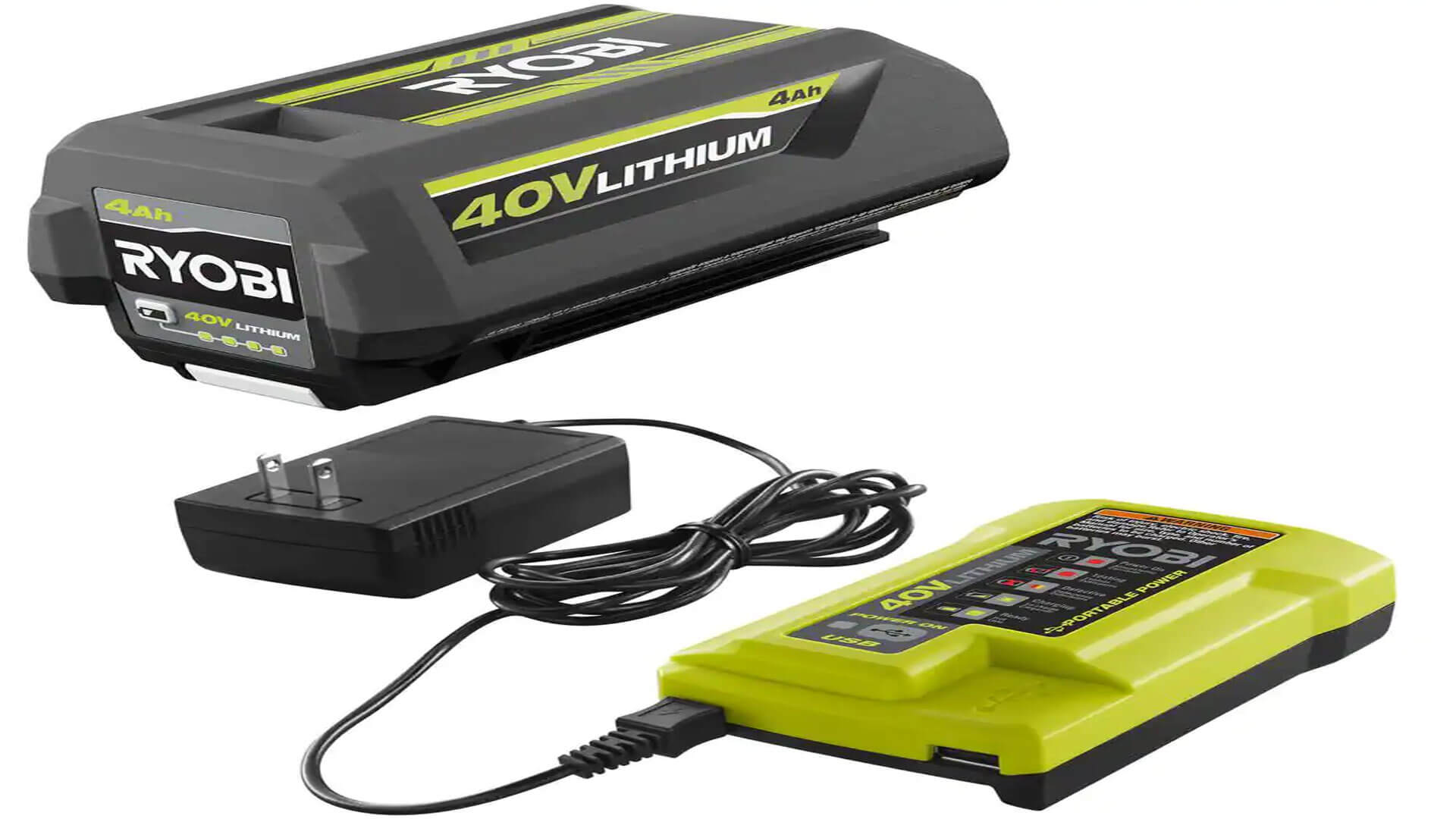
Ryobi battery chargers feature Light Emitting Diodes (LED), which serve to indicate the status of both your charger and batteries. When your green LED lights illuminated on its charger indicate its effectiveness. However, when you notice a flashing red light it could indicate there may be something amiss with either your battery or charger and … Read more
Typically, when charging correctly, the Ryobi battery charger’s green indicator light will flash green; otherwise, red flashes indicate there may be an issue with either battery or charger. There may be several reasons for why your Ryobi charger might be blinking green, and this blog post will discuss them as well as provide ways to … Read more
If the light on your modem is blinking, this indicates it is attempting to connect to the internet and may require simple fixes at home in order to fix. First and foremost, try power cycling your equipment. This involves unplugging and then replugging in both modem and router devices. Check the Battery Your modem has … Read more
Blink cameras use non-rechargeable lithium AA 1.5v batteries that can be found at most grocery and convenience stores; Blink recommends purchasing mainstream brands like Energizer Ultimate Lithium AA batteries as these provide optimal results. These batteries outlast alkaline ones and perform better under extreme weather conditions. To maximize the value of your Blink cameras, replace … Read more
With normal usage, Blink cameras (excluding Blink Mini) should last approximately two years on batteries. In this article we’ll examine ways to tell when your Blink camera batteries need replacing and potential solutions that could extend your monitoring longer. Indoor and outdoor Blink cameras use AA lithium batteries that can be easily changed by finding … Read more
What Batteries Blink Cameras Actually Take
Blink camera batteries are 1.5-volt AA lithium cells, the disposable kind that cannot be recharged. Most battery-powered Blink models use two of them. The newer doorbells take three, the floodlight mount takes four D-cell alkalines, and the plug-in Mini uses none at all. Check the model name first, because the count changes between generations.
Blink's support pages describe the same AA cell for the Outdoor 4, the third-generation Outdoor and Indoor cameras, the older XT and XT2, and the original Video Doorbell. Each camera ships with a starter set, so the first purchase of replacements usually comes a year or more after setup.
Blink model
Main power source
Batteries
Worth knowing
Outdoor 4
Batteries, optional USB
2 AA lithium
Rated up to 2 years on default settings
Outdoor (3rd Gen)
Batteries, USB or solar mount
2 AA lithium
Solar mount works only with this generation
Indoor (3rd Gen)
Batteries or USB
2 AA lithium
Rated for 32 to 95 degrees F
XT2 and XT
Batteries or USB
2 AA lithium
Rated for -4 to 113 degrees F
Video Doorbell (original)
Batteries, even when wired
2 AA lithium
Chime wiring is optional, batteries are not
Video Doorbell (2nd Gen) and Battery Doorbell 2K+
Batteries, optional wiring
3 AA lithium
One more cell than the original doorbell
Outdoor 4 Floodlight Mount
Batteries inside the mount
4 D alkaline
Separate from the camera's own AA cells
Mini
USB power only
None
Plugs into an outlet
Doorbells need special attention
The original Video Doorbell runs on two AA lithium cells and keeps needing them after you connect it to existing chime wiring. The wiring only triggers the indoor chime. The second-generation doorbell and the Battery Doorbell 2K+ move up to three cells, so a two-pack bought for a camera will not finish the job at the front door.
Cameras that never use a battery
Blink Mini models are powered through USB and do not have a battery compartment. If a listing promises Mini batteries, it is selling something the camera cannot use. Wired floodlight cameras draw from household AC wiring instead.
Note: Older first-generation Indoor cameras also use AA lithium cells. If the model name on the back is worn off, open the battery cover and count the slots before you order.
Why the Lithium Requirement Matters
Lithium AA cells hold a steady 1.5 volts until they are nearly empty, and they keep working in freezing weather. Blink's cameras are built around that behavior. Alkaline and rechargeable cells can fit the compartment, yet they behave differently once the camera starts waking up dozens of times a day.
The disposable lithium AA is built on a lithium iron disulfide chemistry. You may see it printed as FR6 on the cell, while ordinary alkaline AAs carry LR6. Blink's own guidance says alkaline cells will run a camera but drain faster, lose strength in the cold, and can cause connectivity trouble. Rechargeable AAs are not recommended.
Cell type
Voltage in use
Cold-weather behavior
Blink guidance
Verdict
Disposable lithium AA
1.5 V, stays flat
Handles the camera's -4 degree F rating
Required spec
Use this
Alkaline AA
1.5 V fresh, sags as it drains
Weak below freezing
Works but drains faster
Emergency only
NiMH rechargeable AA
About 1.2 V
Loses charge on its own over time
Not recommended
Avoid
1.5 V lithium-ion rechargeable AA
Regulated 1.5 V
Varies by cell
Spec calls for non-rechargeable
Avoid, unsupported
What a lower voltage does to the app reading
A NiMH cell starts near 1.2 volts, which is already below what the camera expects. The app may report a weak battery or the camera may drop offline within weeks, even though the cells are full. That mismatch explains many forum posts about rechargeables that seem to die almost immediately.
Warning: Never mix chemistries or combine old and new cells in one camera. The weakest cell drags the pair down, and leaking alkaline cells can corrode the contacts.
Real-World Battery Life and What Cuts It Short
Blink rates its AA-powered cameras for up to two years on default settings. That figure comes from a defined test workload, so it is a ceiling, not a promise. Owners commonly report somewhere between 18 and 24 months, while a busy driveway camera can empty a set in about six.
The XT2 spec sheet defines its two-year rating with roughly 40,000 seconds of recorded clips and Live View over the whole period. That works out to about eleven hours. Every extra minute of video you ask for comes out of the same reserve.
Factor
Why it costs power
Adjustment that helps
High motion sensitivity
Every passing car or branch triggers a recording
Lower the sensitivity and draw activity zones
Long clips
The camera records and uploads longer
Set clips to about 10 to 15 seconds
Frequent Live View
The camera stays awake and streams
Use it for checks, not for monitoring
Weak signal to the Sync Module
The radio retries and transmits harder
Move the module closer or add coverage
Freezing weather
Cell chemistry slows down
Stay with lithium, avoid alkaline outdoors
Two-way talk and night video
Audio and infrared lighting add load
Use them sparingly on doorbells and porches
Tip: Camera placement is the cheapest battery upgrade. Aim away from the street, from trees that sway, and from reflective glass. Fewer false triggers can double the time between swaps.
Choosing and Buying Lithium AA Cells
Shop by the label, not by the brand halo. You want a 1.5-volt, non-rechargeable lithium AA, usually described as lithium iron disulfide. The cells Blink packs in the box come from Energizer, which tells you the target quality, but any cell that meets the same description is a fair candidate.
Lithium primaries last a long time on the shelf. Blink's own guidance gives them a shelf life of roughly twenty years, so stocking up for several cameras is reasonable. Buy from a store with fast turnover and check the printed expiration date before you open the pack.
What to check on the package
What to look for
Why it matters
Chemistry
Lithium, non-rechargeable, 1.5 V
Matches the camera's voltage requirement
Size code
AA, sometimes marked FR6
Rules out lithium coin cells and 3.7 V formats
Expiration date
As far out as possible
Fresh stock gives the full two-year runtime
Pack size
Enough for every camera in one purchase
Keeps all cells in a set the same age
Seller
Established retailer
Unusually cheap packs are sometimes relabeled alkaline
Working out the real cost
Divide the pack price by the cells per camera, then by the years you expect to get. A set that costs a bit more but reaches the full two years beats a bargain set that fades at ten months. Count the hassle of climbing a ladder, too.
Note: Blink does not publish an approved list of third-party cells. Stick to the written specification and keep the receipt in case a set fails early.
Swapping the Batteries Step by Step
A swap takes about five minutes for a camera and a little longer for a doorbell. Slide the camera off its mount, pry the back cover open, replace every cell at once, and close the cover until it clicks. Use new cells in each slot, never one old and one new.
Outdoor and indoor cameras
Slide the camera off its ball-joint mount and bring it somewhere with good light.
Use the flat opening tool, a guitar pick or a thin coin in the notch at the bottom of the back cover and pry it off.
Note the plus and minus markings, then remove the old cells.
Seat two fresh lithium AA cells flat and firmly, matching the markings.
Snap the cover back on until you hear it click, since a loose cover lets moisture in.
Slide the camera back onto its mount and wait for it to reconnect.
Expect up to a minute before the camera reports as online. Open the app and confirm the signal bars returned before you leave.
Second-generation doorbells
If the doorbell is hardwired, switch off the circuit breaker first.
Press the release key into the slot at the bottom until it clicks and pull the doorbell off its plate.
Flip the unit over and lift the battery cover latch.
Insert three new AA lithium cells with the terminals facing the right way.
Slide the top tabs of the back cover in, press the bottom until the gray latch clicks, and press the doorbell back onto the plate.
Restore power at the breaker and press the button to test.
Tip: Photograph the compartment before you remove anything. The picture settles any doubt about which end of each cell faces the spring.
Reading the Low-Battery Warnings
The Blink app tells you when cells are running low through a push notification, an icon, or a status labeled as needing replacement. The camera itself gives fewer clues. Missed clips and a camera that shows offline often arrive a few days after the first alert.
Treat the first alert as a calendar prompt rather than an emergency. Cells usually have some runtime left, but the margin shrinks quickly in cold weather.
What you notice
Most likely cause
First thing to try
Low-battery notification
Cells nearing the end of their rating
Order a fresh set and plan a swap
Motion clips missing
Cells too weak to wake or upload reliably
Replace the cells and re-test with a walk-by
Live View fails
Low power or weak link to the Sync Module
Check signal bars, then the cells
Camera shows offline
Dead cells, lost signal or power outage at the module
Confirm the module is online before climbing
Status reads fine yet clips are late
Poor signal rather than battery
Review the signal strength screen
Where the numbers live in the app
Open the camera's settings and look for the general settings area, where a battery status and the signal strength to the Sync Module are listed. Blink recommends keeping the module link at three bars or better.
Fixing Batteries That Drain Too Quickly
When a set dies in a few months, start with the camera's environment and settings before you blame the cells. Weak signal, noisy motion zones and long clips cause most early failures, and each can be corrected in the app without buying a thing.
Check signal strength. Aim for three or more bars between the camera and the Sync Module, moving the module closer to the camera if needed.
Power cycle the router, the module and the camera, and keep firmware updated.
Draw activity zones around the area you care about and drop the sensitivity a notch.
Shorten clip length to roughly 10 to 15 seconds and raise the retrigger time if the setting is available.
Limit Live View sessions, and arm the system on a schedule instead of around the clock.
Swap in a fresh set of lithium cells from a different package, in case the earlier batch was weak.
Warning: If lithium cells and strong signal still empty in a few weeks, stop replacing them. Contact Blink support, because the camera may have a fault that no setting will fix.
Why heat is a red flag
Warm cells inside the compartment point to a short, reversed polarity or a mismatched cell. Take them out, let the camera cool and reinsert fresh ones carefully. Do not keep running a camera whose cells are hot to the touch.
New Batteries but the Camera Still Acts Up
Fresh cells fix most low-battery alerts, but a few gremlins survive the swap. Seating, a loose cover and a module that went offline are the usual suspects. Work through them in order so you do not reset more than you need to.
Reseat both cells and confirm the plus and minus ends match the markings.
Press the back cover until it clicks, because a poorly sealed cover can interrupt the contacts and invite moisture.
Wait a full minute for the camera to reconnect before assuming it failed.
Look at the Sync Module in the app. If it shows offline, the camera cannot report in no matter how fresh the cells are.
Remove one cell, wait a few seconds and replace it to force a clean restart.
If a fresh set fails on one camera but works in another, suspect the camera's contacts or the unit itself.
Note: A camera that was left without power for a long time may need a few minutes to rejoin the system. Give it a full cycle before repeating the reset.
Running a Blink Camera on USB, Solar or Wiring
You can replace some of the disposable cells with a cable. Blink's battery cameras with a USB port on the back run from a micro-USB cable and adapter, the Mini needs only a plug, and the third-generation Outdoor accepts a solar mount. Each choice trades flexibility for fewer battery swaps.
Needs real sunlight, and it limits detection range to roughly 6 to 20 feet
Weather-resistant power adapter
Outdoor 4, Outdoor (3rd Gen), Mini 2 outdoors
Outdoor cable runs need protection
Chime wiring
Video Doorbells
Drives the indoor chime only, batteries remain required
Household AC wiring
Wired floodlight camera
Best handled by an electrician
Third-party power add-ons
Blink does not support third-party power solutions and will not warrant a device on unreliable power or one with weather protection removed. Aftermarket battery extenders exist, but they are outside the supported setup. If you try one, accept that any problem is yours to solve.
Warning: Leaving a cable plugged into an outdoor camera through a gap in the weather seal invites water in. Use a power adapter built for outdoor use and drip-loop the cable.
Storage, Cold Weather and Disposal
Keep spare lithium cells in their original packaging at room temperature, away from loose coins and keys. The long shelf life means a drawer stash stays usable for years. Outdoors, lithium keeps going in the cold where alkaline fades, which is the main reason Blink specifies it.
Situation
What to do
Spare cells at home
Store in the retail package or a plastic case, never loose in a pocket
Camera in a cold climate
Use lithium cells, expect shorter life below freezing, check the app more often
Camera in direct summer sun
Add a shade or move the mount, since the camera tops out at 113 degrees F
Dead cells
Tape the ends and take them to a battery drop-off point
Leaking cells
Wear gloves, wipe the contacts clean and dispose of the cells properly
Used lithium cells should not go into household trash, because damaged cells can start fires in compactors and recycling trucks. Many hardware stores and municipal programs accept them. Taping the terminals before you drop them off keeps them from touching.
Tip: Write the install date on the inside of the camera's back cover with a marker. When the next alert arrives you will know instantly whether the set lived up to the rating.
Frequently Asked Questions
What kind of battery does a Blink camera use?
A battery-powered Blink camera uses size AA, 1.5-volt, non-rechargeable lithium cells. Blink's support pages list that same cell for the Outdoor 4, the third-generation Outdoor and Indoor cameras, the older XT and XT2, and the Video Doorbell family. The cell is a disposable lithium iron disulfide design, often printed as FR6 on the body, and it is a different product from the ordinary alkaline AA sold in most multipacks.
Two exceptions are worth remembering. The floodlight mount for the Outdoor 4 uses four D-cell alkaline batteries, and the Blink Mini has no battery compartment because it plugs in through USB. Always read the spec sheet for your exact model before you buy.
Can I put regular AA batteries in a Blink camera?
Regular alkaline AAs physically fit and Blink acknowledges that they will run the camera, but the company points to three drawbacks: they drain faster, they weaken in cold weather, and they can cause connectivity trouble. A camera that wakes up for every passing car asks a lot from a cell whose voltage sags as it empties, so the low-battery alert often appears within a few months instead of a couple of years.
If you are stuck on a weekend with only alkaline cells, use them as a stopgap and swap in lithium as soon as you can. Do not leave alkaline cells inside an outdoor camera through winter. Rechargeable AAs are a separate problem and are not recommended at all.
Does Blink really need lithium batteries?
Blink specifies lithium and sizes its two-year battery rating around it, so for the full advertised life the answer is yes. Lithium cells deliver a nearly flat 1.5 volts until close to empty, tolerate the cold down to the camera's -4 degree F limit, and sit on a shelf for years without losing much charge. Those three traits match a device that spends most of its life asleep and then wakes in a burst.
Needing lithium does not mean the camera will refuse anything else. It means other chemistries cost you runtime, reliability and sometimes the stability of the connection. Think of it as a spec you can bend briefly, not one you should ignore.
How many batteries does a Blink camera take?
Two is the most common answer. The Outdoor 4, the Outdoor and Indoor third-generation cameras, the XT and XT2, and the original Video Doorbell each use two AA lithium cells. The second-generation Video Doorbell and the Battery Doorbell 2K+ take three. The Outdoor 4 Floodlight Mount has its own set of four D-cell alkalines on top of the camera's AA cells.
Online guides sometimes claim four AA cells for a camera, usually because they are describing a third-party extension pack. Blink's own spec pages for the models above list two. The Mini needs none. When two sources disagree, believe the spec page that matches your model number.
Can Blink camera batteries be recharged?
The lithium cells Blink specifies are single-use and must never be recharged. Trying to charge them is dangerous and will not work. Separate rechargeable AAs, such as nickel metal hydride cells, can be charged but start near 1.2 volts and are on Blink's not-recommended list. Some owners report decent results with them, which is anecdotal and outside the warranty-friendly path.
If your goal is to avoid constant swapping, power the camera through USB instead. The Outdoor 4, the third-generation cameras, the XT line and the first-generation Indoor all have a USB port, and the Outdoor (3rd Gen) can also take a solar mount.
Do Blink cameras need batteries if they are plugged in?
It depends on the model. Cameras with a USB port on the back can run entirely from a micro-USB cable and adapter, so no batteries are needed while they are plugged in. The Mini runs only on USB power. The wired floodlight camera uses household AC wiring.
The Video Doorbell is the trap. Connecting it to existing chime wiring lets it ring the indoor chime, yet Blink states that the doorbell still needs its AA cells even when wired. If you pulled the cells because the doorbell was wired, put them back, and keep a spare set in a drawer for the day the alert arrives at an inconvenient time.
How do I check the battery level on a Blink camera?
Open the Blink app, tap the settings icon for the camera, and open the general settings. A battery status appears there, and a camera that needs fresh cells shows a replacement notice instead of an OK. The same area shows signal strength between the camera and the Sync Module, which helps you separate battery trouble from connection trouble.
The app also sends a push notification when cells run low, so keep notifications enabled. Do not rely on a green status alone if clips go missing. A camera can report fine and still fail to upload because of a weak link.
Why are my Blink camera batteries getting hot?
Cells that feel warm point to a wiring-level problem rather than normal use. The usual causes are a cell inserted backward, a mix of old and new or different chemistries, a damaged or counterfeit cell, or a short from moisture or corrosion in the compartment. Cells in a camera that sits in the shade should feel about as warm as the air around them, and only slightly warmer after a day in direct sun.
Remove the cells right away, let the camera cool and inspect the contacts. Reinsert fresh lithium cells from a trusted package, matching the plus and minus markings. If new cells heat up again, stop using the camera and contact Blink support.
Is there a battery extension pack for Blink cameras?
Several companies sell extension packs that hold extra AA cells outside the camera, and the search results are full of them. Blink itself states that it does not support third-party power solutions and recommends using the power option included in the original packaging or an authorized Blink accessory. Blink also says it will not warrant devices running on unreliable power, so an unsupported pack puts any later fault on your side of the ledger.
If your real goal is fewer climbs up a ladder, the supported routes are better: a USB cable and outlet, the weather-resistant power adapter for the Outdoor line, or the solar mount made for the Outdoor (3rd Gen).
What batteries does the Blink floodlight mount use?
The Floodlight Mount for the Outdoor 4 uses four alkaline D-cell batteries, and the box includes a set. Blink rates the mount for up to two years on default settings and for use between -4 and 113 degrees F. The mount powers its 700-lumen light separately from the AA cells inside the camera.
Compatibility is narrow. The older mount made for the third-generation Outdoor also uses four D cells but, according to Blink, it is not compatible with the Outdoor 4, the XT or the XT2. Match the mount to your camera generation before you buy replacement cells or a new mount.
Do Blink Mini cameras use batteries?
No. The Blink Mini is a plug-in camera powered through USB, with a cable that ships in the box. Its status light shows when it has power, and you will not find a battery compartment on it. That makes it a good choice for a shelf, desk or entryway where an outlet is close.
Using a Mini outdoors is a special case. Blink says the Mini 2 outdoors needs its weather-resistant power adapter, which can also supply the Outdoor 4 and the third-generation Outdoor. If you want a no-battery option for a porch, plan the cable path and the outlet location before you drill any holes.
Can I mix old and new batteries or different brands in one Blink camera?
Avoid it. A pair works as a team, and the weaker cell limits the stronger one while also being pushed past its own limits. Mixed chemistries behave even worse, because alkaline and lithium cells have different voltage curves and the camera may report a low battery while one cell is nearly full.
Brand mixing within the same chemistry is lower risk, but there is still no benefit. Replace every cell in the camera at the same time and keep spares from the same package together. The tidy habit also gives you an honest read on how long a set truly lasts.
How do I know whether my Blink battery problem is the batteries or the Wi-Fi?
Check the signal strength first. If the camera shows two bars or fewer to the Sync Module, it spends extra energy retrying uploads and will drain early however good the cells are. If signal looks healthy yet you still see drain, look at activity zones, sensitivity and clip length.
A quick test is to install a fresh lithium set and note the date. If the alert returns within weeks while signal stays strong and motion is moderate, the camera may be faulty. If the set lasts but clips lag, the network is the weak link. Log both observations before contacting support.
How should I dispose of used Blink camera batteries?
Do not throw used lithium AA cells in the household trash. Tape over both ends so they cannot touch metal or other cells, store them in a plastic bag, and bring them to a retail drop-off point or a municipal hazardous-waste event. Many hardware and electronics stores run collection bins at the entrance.
Leaking cells need extra care. Wear gloves, wipe the compartment with a dry cloth, and put the damaged cells in a separate bag. White crust on the contacts after an alkaline leak can usually be cleared with a cotton swab dampened with a little vinegar, after which the compartment should be dried completely before new cells go in.